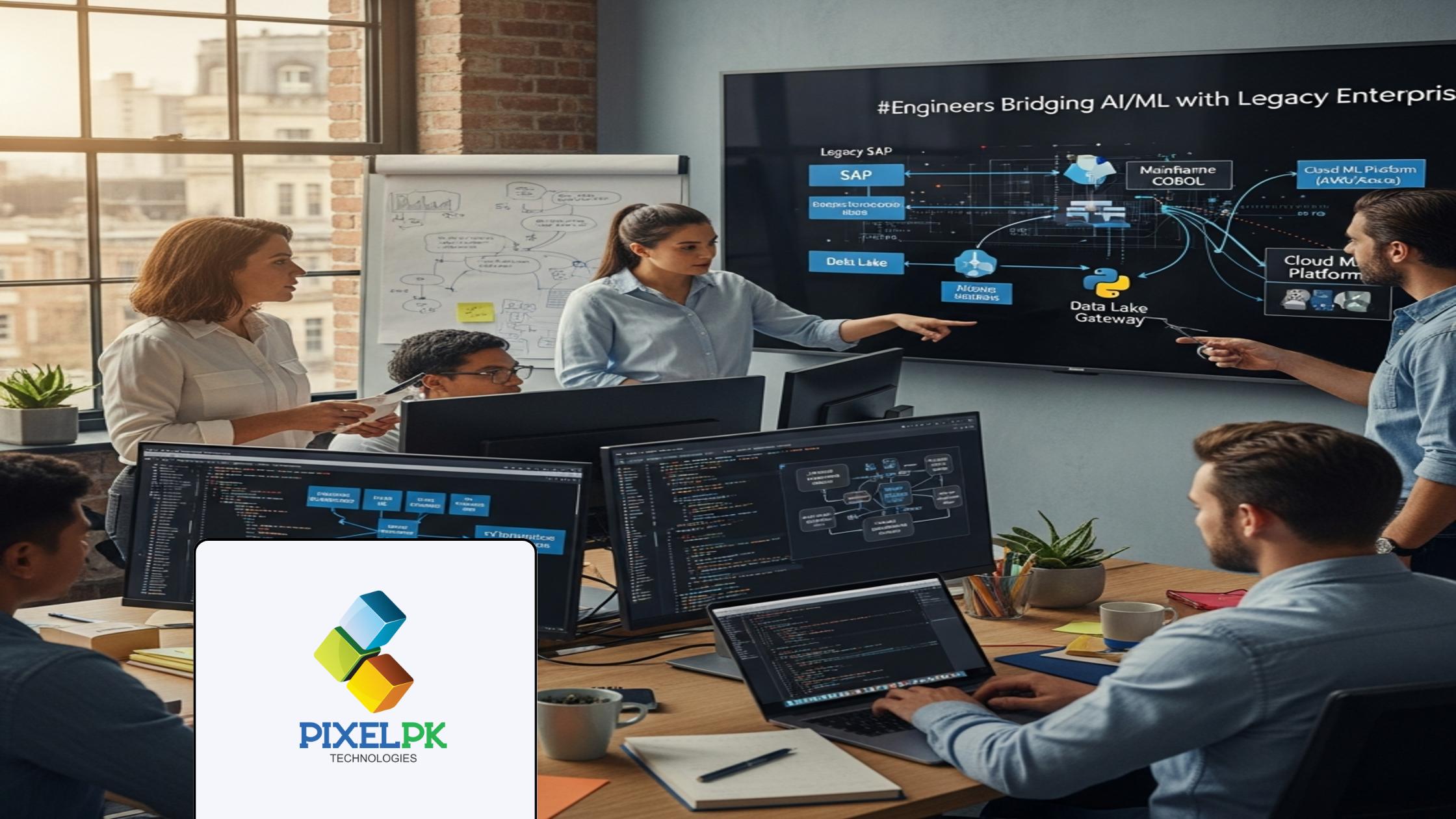




The Power of AI ML Integration for Business Growth
Understanding AI ML Integration is essential for modern businesses. It helps scale operations and enhance efficiency. This transformation offers significant competitive advantages.
Specifically, it automates complex tasks. It provides deeper data insights. Consequently, businesses make more informed decisions, driving innovation across departments.
What is AI ML Integration?
Defining AI and Machine Learning
Artificial Intelligence (AI) refers to systems performing human-like cognitive functions. These include learning, problem-solving, and decision-making. AI aims to simulate intelligent behavior.
Machine Learning (ML) is a subset of AI. It focuses on algorithms allowing systems to learn from data. ML models identify patterns and make predictions without programming.
Why AI ML Integration Matters
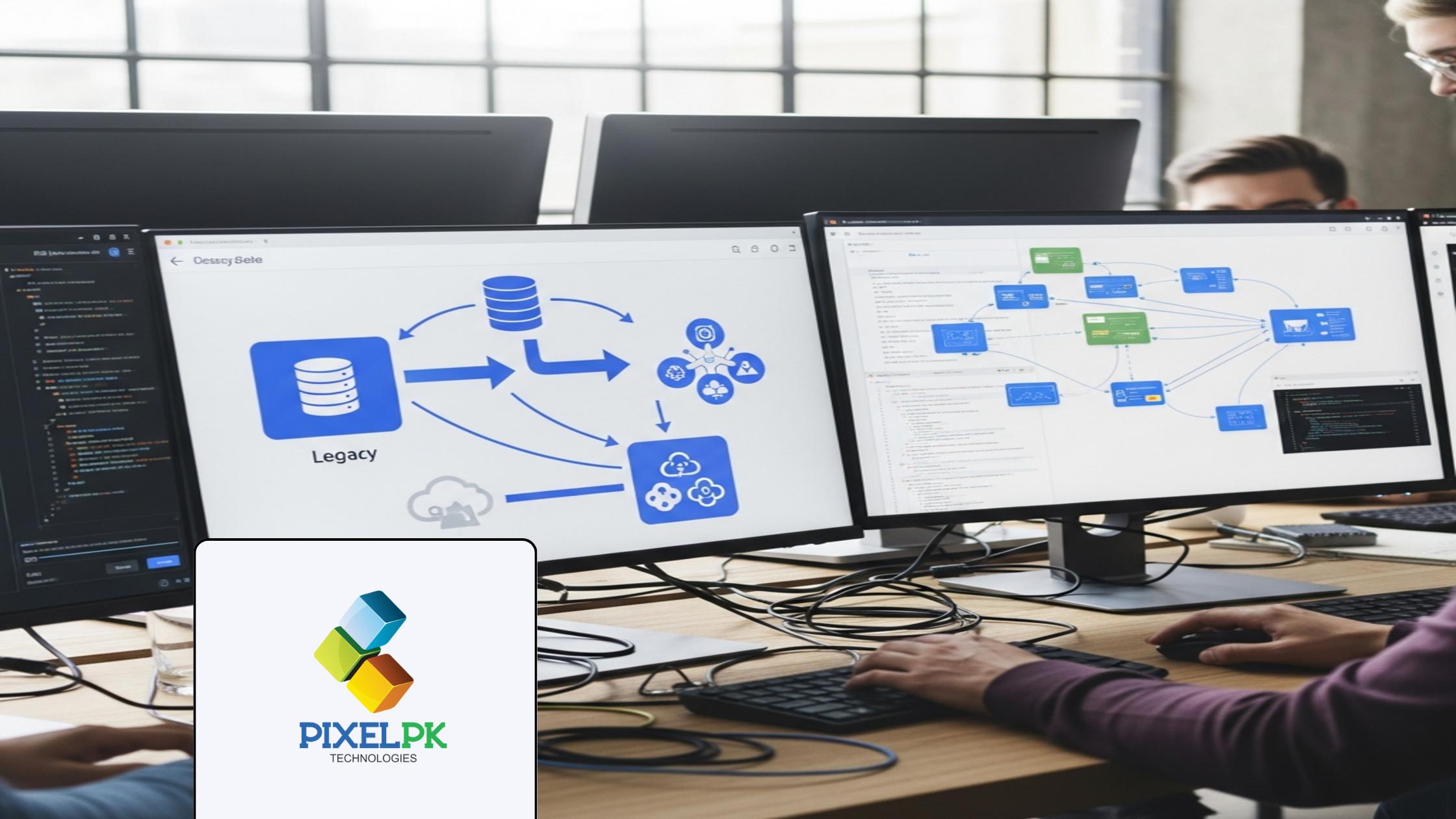
AI ML Integration combines these powerful technologies into existing business processes. This unified approach unlocks new capabilities. It transforms raw data into actionable intelligence.
Integrated AI/ML solutions enhance customer experiences. They also optimize operational workflows. Businesses achieve greater agility and responsiveness.
How to Integrate AI/ML: A Practical Roadmap
Implementing AI ML Integration requires a structured approach. A clear roadmap ensures successful deployment and maximizes value. Follow these practical steps.
Step 1: Define Business Objectives
First, clearly define your business goals. What problems are you solving? What outcomes do you expect?
Identify Use Cases
Pinpoint areas where AI/ML offers maximum impact. Consider predictive analytics for sales or anomaly detection. Focus on measurable results.
Data Assessment and Readiness
Evaluate your existing data infrastructure and quality. High-quality data is crucial for training effective ML models. Assess data sources.
Step 2: Choose the Right Technology Stack
Selecting appropriate tools and platforms is vital. This impacts performance, scalability, and cost. Consider your current IT environment.
Cloud Platforms (AWS, Azure, GCP)
Major cloud providers offer robust AI/ML services. AWS Machine Learning services, Azure, and GCP provide scalable infrastructure. They offer pre-built models and tools.
ML Frameworks (TensorFlow, PyTorch)
Open-source ML frameworks like TensorFlow framework and PyTorch are popular. They offer flexibility for custom model development. These frameworks support programming languages.
Step 3: Data Preprocessing and Model Development
This phase involves preparing your data and building AI/ML models. It is often the most time-consuming part. Accuracy depends heavily on this stage.
Data Collection and Cleaning
Gather data from identified sources. Clean and transform it into a usable format. Includes handling missing values and duplicates.
Model Training and Validation
Train your chosen ML model using the prepared dataset. Validate its performance with a separate dataset. Adjust parameters to optimize accuracy.
Step 4: Deployment and Scalability
Once validated, deploy your AI/ML models into production. Ensure seamless integration with existing applications. Design for scalability.
MLOps Practices
Implement MLOps for streamlined deployment and management. MLOps automates the ML model lifecycle, including CI/CD.
API Integration
Use APIs to connect your AI/ML models with other software systems. APIs enable smooth data exchange. Facilitates real-time predictions.
Step 5: Monitoring and Iteration
Deployment is not the final step. Continuous monitoring is essential for long-term success. AI/ML models can degrade over time.
Performance Tracking
Monitor model performance in real-world scenarios. Track key metrics like accuracy and latency. Set up alerts.
Continuous Improvement
Regularly retrain models with new data to maintain relevance. Iteratively refine models based on feedback, ensures ongoing value.
Commercial Considerations for AI ML Integration
Successful AI ML Integration needs careful planning. Understanding financial implications and expected returns is crucial. This justifies the investment.
Understanding Cost Estimates
The cost of AI ML Integration varies significantly. Factors influencing investment include data, infrastructure, talent, and software licenses. Start with a pilot project for accurate estimates. Factor in ongoing maintenance. Consider open-source alternatives.
Measuring ROI Metrics
Quantifying the Return on Investment (ROI) from AI ML Integration is vital. It demonstrates generated business value. Establish clear metrics from the outset. Key KPIs include operational efficiency, revenue growth, cost savings, and customer satisfaction. Track these KPIs before and after integration. Compare results against objectives for clear ROI.
Choosing a Partner for Successful AI ML Integration
Selecting the right technology partner is a critical decision. An experienced partner ensures smooth implementation. They navigate complex challenges effectively. Pixelpk Technologies offers comprehensive software development expertise. We specialize in AI/ML solutions. Our team guides you through every stage. We deliver agile, scalable solutions. Our focus remains on achieving your business objectives. Trust us for successful integration.
Frequently Asked Questions
What is the typical timeline for AI ML Integration projects?
Timelines vary based on complexity. Simple integrations might take a few months. Complex enterprise solutions can span six to twelve months or longer.
How do you ensure data privacy and security during AI ML Integration?
We prioritize data privacy and security through robust measures. These include encryption, access controls, and compliance with regulations. Our solutions are built with security by design.
What industries benefit most from AI ML Integration?
Many industries benefit significantly. Finance uses it for fraud detection. Healthcare applies it for diagnostics. Retail leverages it for personalized recommendations. Manufacturing optimizes processes.
Can small businesses afford AI ML Integration?
Yes, absolutely. Cloud-based AI/ML services and open-source tools make integration accessible. Small businesses can start with targeted projects, providing measurable benefits.
Conclusion: Unlock Your Business Potential with AI ML Integration
AI ML Integration is no longer a luxury; it is a strategic imperative. It empowers businesses to innovate, optimize, and grow. By following a practical roadmap, companies can successfully implement these transformative technologies.
Choosing the right AI ML Integration provider impacts your business growth. Pixelpk Technologies offers proven expertise and results. We help you navigate the complexities of AI/ML. We ensure your investment yields significant returns.
Ready to transform your operations with intelligent solutions? Connect with Pixelpk Technologies today. Explore our services, including mobile app development and advanced AI/ML solutions.