


The Imperative of AI ML Legacy Integration for Modern Business
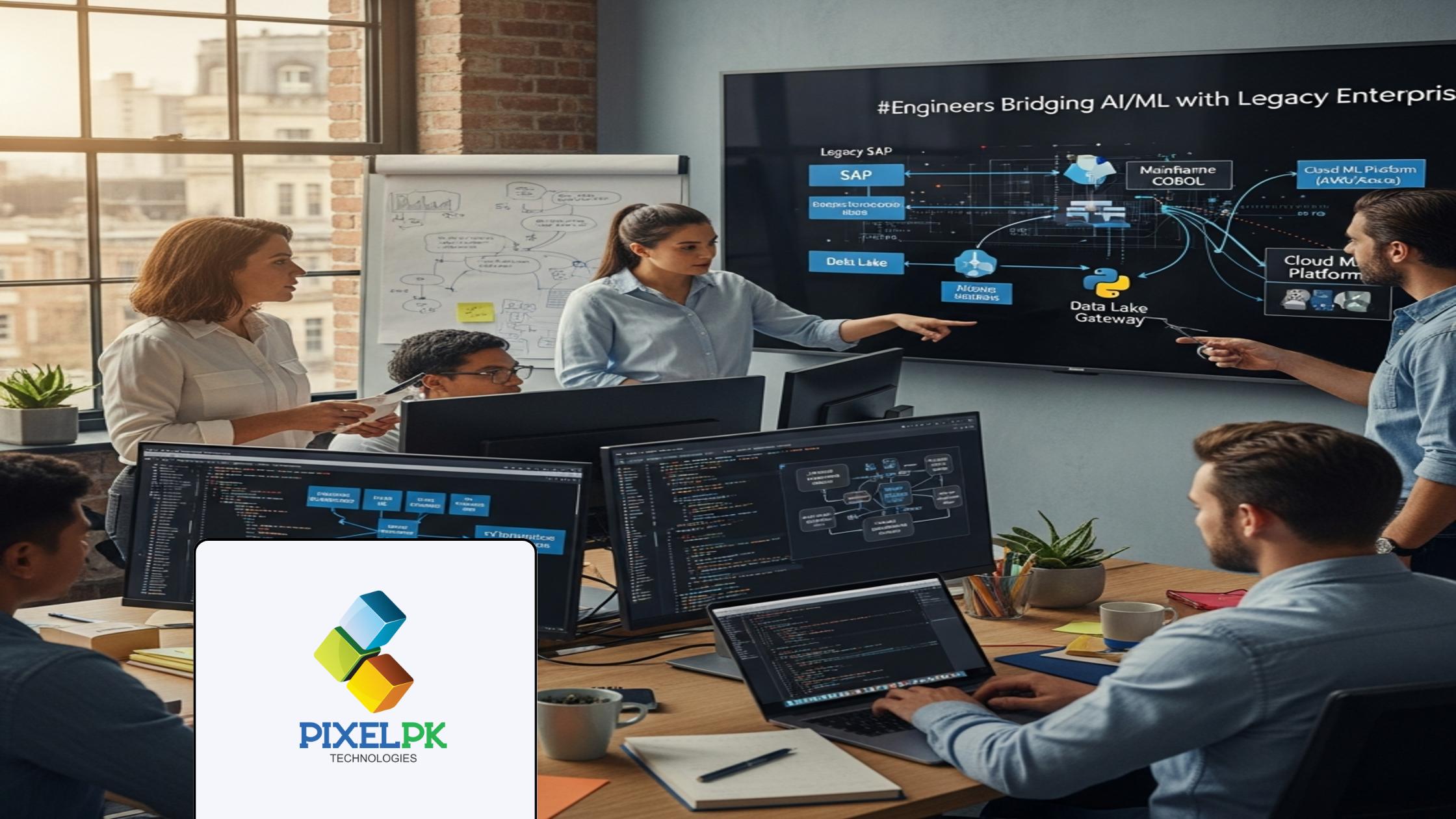
Understanding AI ML Legacy Integration is essential for modern businesses. It helps companies scale operations and enhances efficiency significantly. Moreover, AI ML Legacy Integration allows organizations to leverage cutting-edge technology. This process breathes new life into existing systems.
Many enterprises rely on robust, foundational legacy systems. However, these systems often lack advanced analytical capabilities. Integrating Artificial Intelligence (AI) and Machine Learning (ML) transforms these older platforms. It unlocks new insights and automates complex processes.
Understanding AI ML Legacy Integration: Core Concepts
What Defines a Legacy System?
A legacy system is an outdated computing system. It often uses older technology or methods. Despite its age, it remains critical to daily operations. These systems are usually stable and reliable.
However, legacy systems can be difficult to maintain. They often lack interoperability with modern tools. Furthermore, they may not support new features easily. Upgrading them entirely is often too costly or risky.
Why Integrate AI/ML with Legacy Systems?
Integrating AI/ML offers several compelling benefits. It enhances data processing and decision-making. Businesses gain competitive advantages. This approach extends the lifespan of valuable assets.
Key drivers for this integration include:
- Automated Processes: AI/ML automates repetitive tasks. This frees up human resources.
- Predictive Analytics: Models predict future trends. They help optimize inventory or customer behavior.
- Enhanced Customer Experience: AI personalizes interactions. It improves service delivery.
- Data-Driven Insights: ML algorithms uncover hidden patterns. They provide valuable business intelligence.
Step-by-Step Roadmap for Successful AI ML Legacy Integration
A well-defined roadmap is crucial for successful AI ML Legacy Integration. This structured approach minimizes risks. It ensures a smooth transition and maximum impact.
Phase 1: Assessment and Strategy
Define Business Objectives and Use Cases
Firstly, clearly identify your business goals. What problems will AI/ML solve? Pinpoint specific use cases. Examples include fraud detection, predictive maintenance, or personalized marketing. This focus guides the entire project.
Legacy System Audit and Data Readiness
Next, conduct a thorough audit of your legacy systems. Understand their architecture and data structures. Assess data quality, volume, and accessibility. Data readiness is critical for AI/ML model training.
Technology Stack Evaluation
Evaluate potential AI/ML technologies and platforms. Consider cloud services like AWS, Azure, or Google Cloud. Assess their compatibility with your existing infrastructure. This step helps choose the right tools for the job.
Phase 2: Design and Architecture
Choosing the Right Integration Approach
Select the optimal integration strategy. Common approaches include:
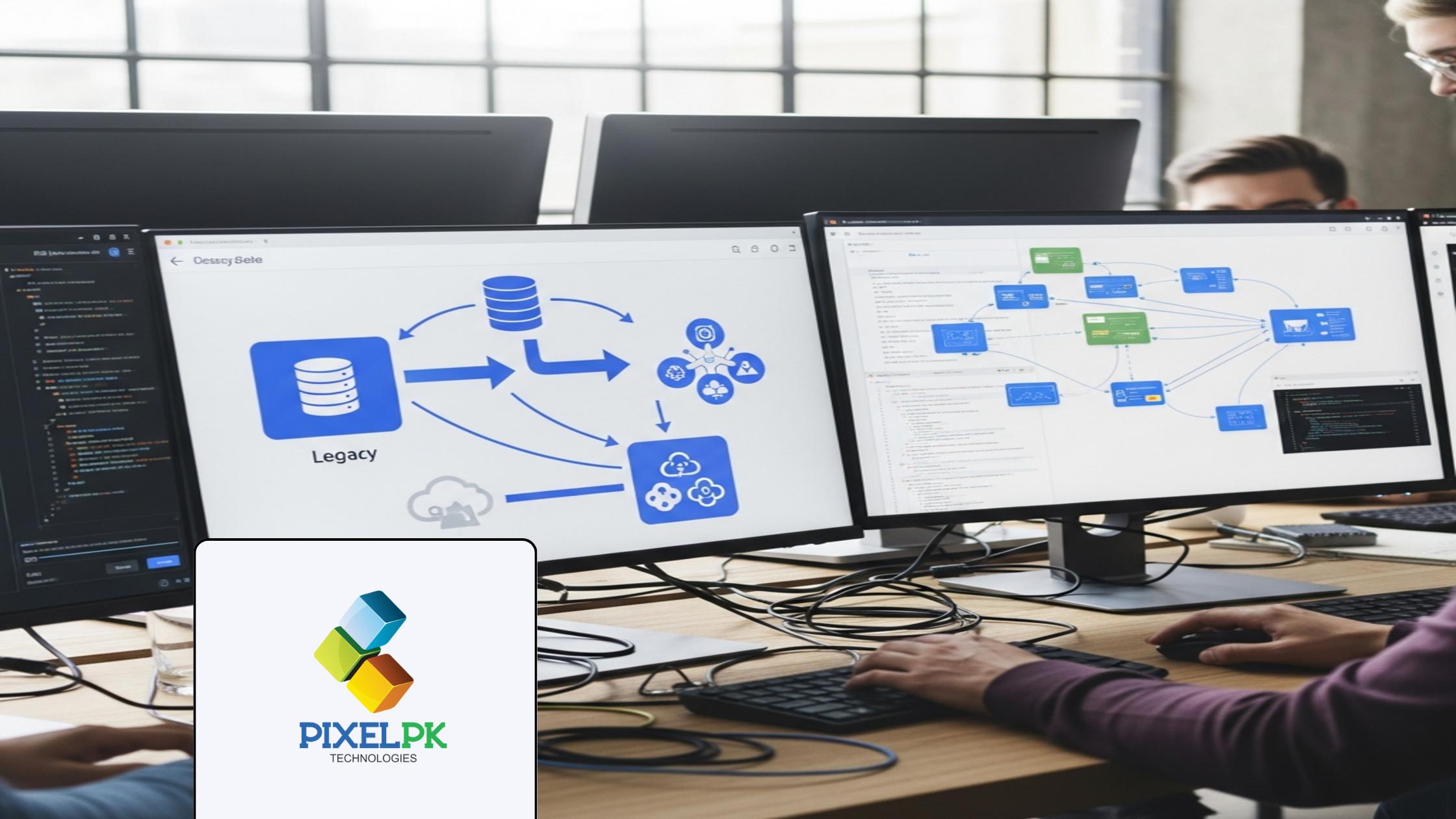
- API-led Integration: Creates new APIs to expose legacy data. This allows modern applications to interact securely.
- Data Migration/Synchronization: Moves or syncs relevant data to a modern data platform. This supports AI/ML processing.
- Wrapper Services: Builds a layer around legacy functions. It provides a standardized interface for AI components.
- Microservices Architecture: Breaks down monolithic systems. It replaces specific functions with modern, AI-enabled services.
Data Pipeline and Model Development
Design robust data pipelines. These pipelines extract, transform, and load data (ETL) efficiently. Develop and train your AI/ML models using this prepared data. Ensure the models are accurate and reliable.
Phase 3: Implementation and Deployment
Gradual Rollout and Testing
Implement the integrated solution incrementally. Use a phased rollout approach. Thoroughly test each component and the end-to-end workflow. This minimizes disruption and allows for quick adjustments.
Monitoring and Optimization
Establish continuous monitoring for performance and accuracy. Track key metrics. Regularly retrain AI/ML models with new data. This ensures long-term effectiveness and adapts to changing conditions.
Key Considerations for AI ML Legacy Integration
Data Governance and Security
Robust data governance policies are vital. Ensure data privacy and compliance with regulations like GDPR or HIPAA. Implement strong security measures. Protect sensitive information throughout the integration process.
Scalability and Performance
Design your integrated solution for scalability. It must handle increasing data volumes and user demands. Optimize performance to avoid bottlenecks. This ensures the system remains responsive and efficient.
Change Management and Training
Prepare your teams for new workflows and technologies. Provide adequate training to users and IT staff. Effective change management fosters adoption. It ensures the successful utilization of the new AI/ML capabilities.
Estimating Costs and Maximizing ROI in AI ML Legacy Integration
Understanding financial aspects is crucial for any project. Effective planning helps manage expenses. It also ensures a clear path to generating value from your investment.
Factors Influencing Implementation Costs
Several elements impact the total cost of AI ML Legacy Integration. These include:
- Legacy System Complexity: Older, highly customized systems cost more to integrate.
- Data Volume and Quality: Large, messy datasets require significant cleaning and processing.
- Technology Stack: Proprietary AI/ML tools can be more expensive than open-source options.
- Expertise Required: Specialized AI/ML engineers and data scientists may increase labor costs.
- Infrastructure: Cloud computing resources or on-premise hardware upgrades add to expenses.
For a detailed breakdown, consulting with experts is recommended. According to Gartner, global AI software revenue is projected to reach $297 billion by 2027, highlighting the increasing investment in AI solutions. Gartner Report
Measuring Return on Investment (ROI)
Measure ROI by comparing the integration costs with the benefits gained. Quantifiable benefits include:
- Increased operational efficiency and cost savings.
- Higher revenue from improved products or services.
- Reduced errors and improved data accuracy.
- Enhanced customer satisfaction and retention.
Establish clear KPIs (Key Performance Indicators) early on. Track these metrics consistently. This demonstrates the tangible value of your AI/ML investment.
Frequently Asked Questions
How long does AI ML Legacy Integration typically take?
The timeline varies significantly based on complexity. Simple integrations might take a few months. Larger, more intricate projects can extend over a year. Factors like data quality and system architecture play a major role. A thorough initial assessment helps define a realistic schedule.
What are the biggest challenges in AI ML Legacy Integration?
Key challenges include data silos, poor data quality, and lack of system documentation. Skill gaps within existing teams also pose difficulties. Moreover, ensuring seamless communication between old and new systems can be complex. Overcoming these requires careful planning and expertise.
Can AI ML Legacy Integration be done incrementally?
Yes, an incremental approach is often best. It reduces risk and allows for continuous learning. Businesses can start with small, high-impact use cases. Then, they gradually expand the integration. This phased method provides flexibility and ensures better resource allocation.
What technologies are best for AI ML Legacy Integration?
Modern cloud platforms like AWS, Azure, and Google Cloud offer robust AI/ML services. Integration platforms as a service (iPaaS) are also highly effective. These tools provide pre-built connectors and APIs. They streamline the integration process significantly. Exploring our mobile app development services can also show how new solutions can connect with existing systems.
Conclusion: Partnering for Seamless AI ML Legacy Integration
AI ML Legacy Integration is not just a technological upgrade. It is a strategic move towards a data-driven future. It unlocks immense value from your existing infrastructure. This process drives efficiency, innovation, and competitive advantage.
The journey requires careful planning, technical expertise, and a clear vision. Pixelpk Technologies specializes in navigating these complexities. We deliver tailored AI/ML solutions. Our team ensures seamless integration with your legacy systems.
Developing effective AI/ML solutions requires the right technology partner. Pixelpk Technologies delivers agile, scalable solutions designed for your specific needs. Contact Pixelpk Technologies today to transform your business.