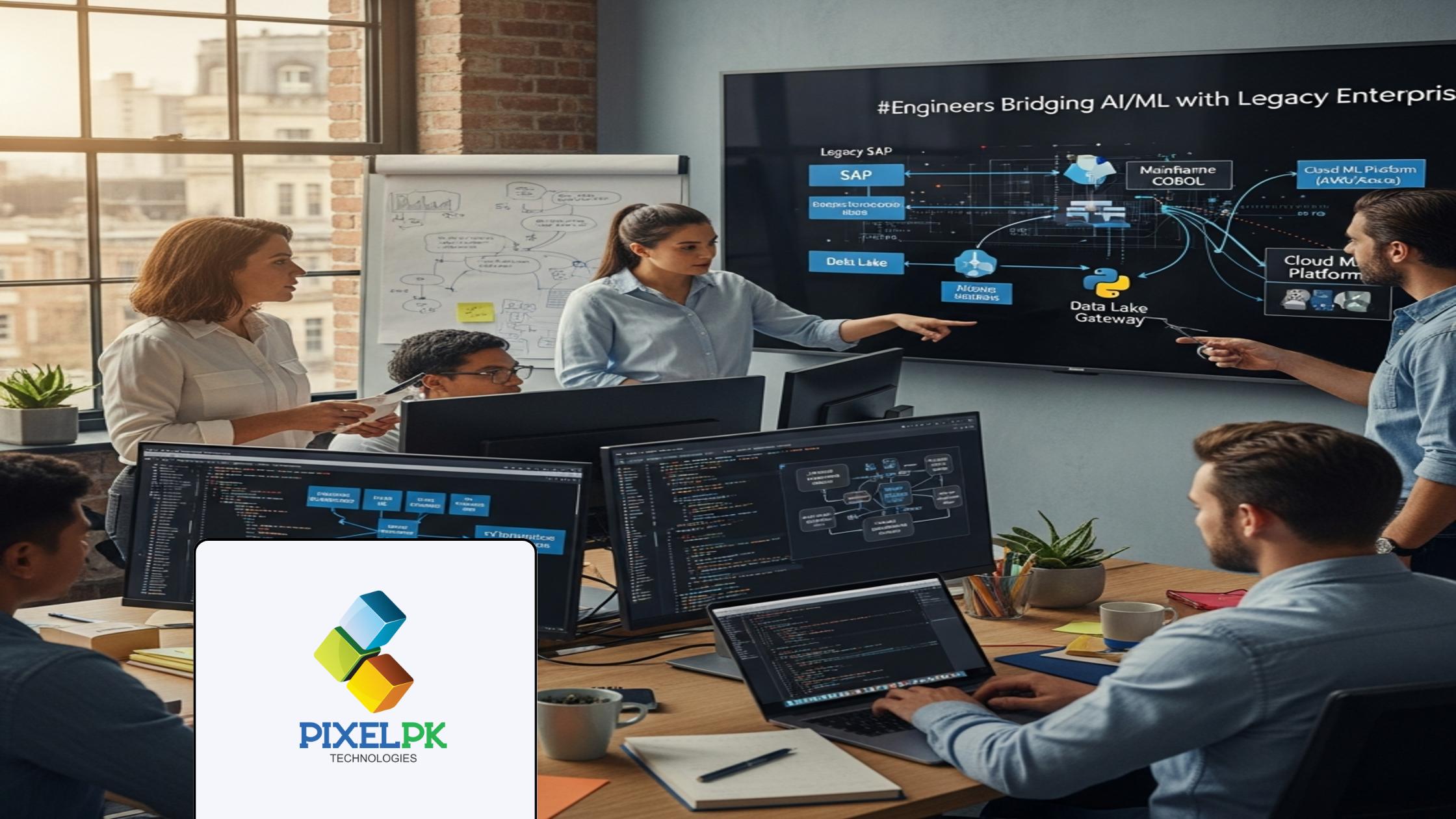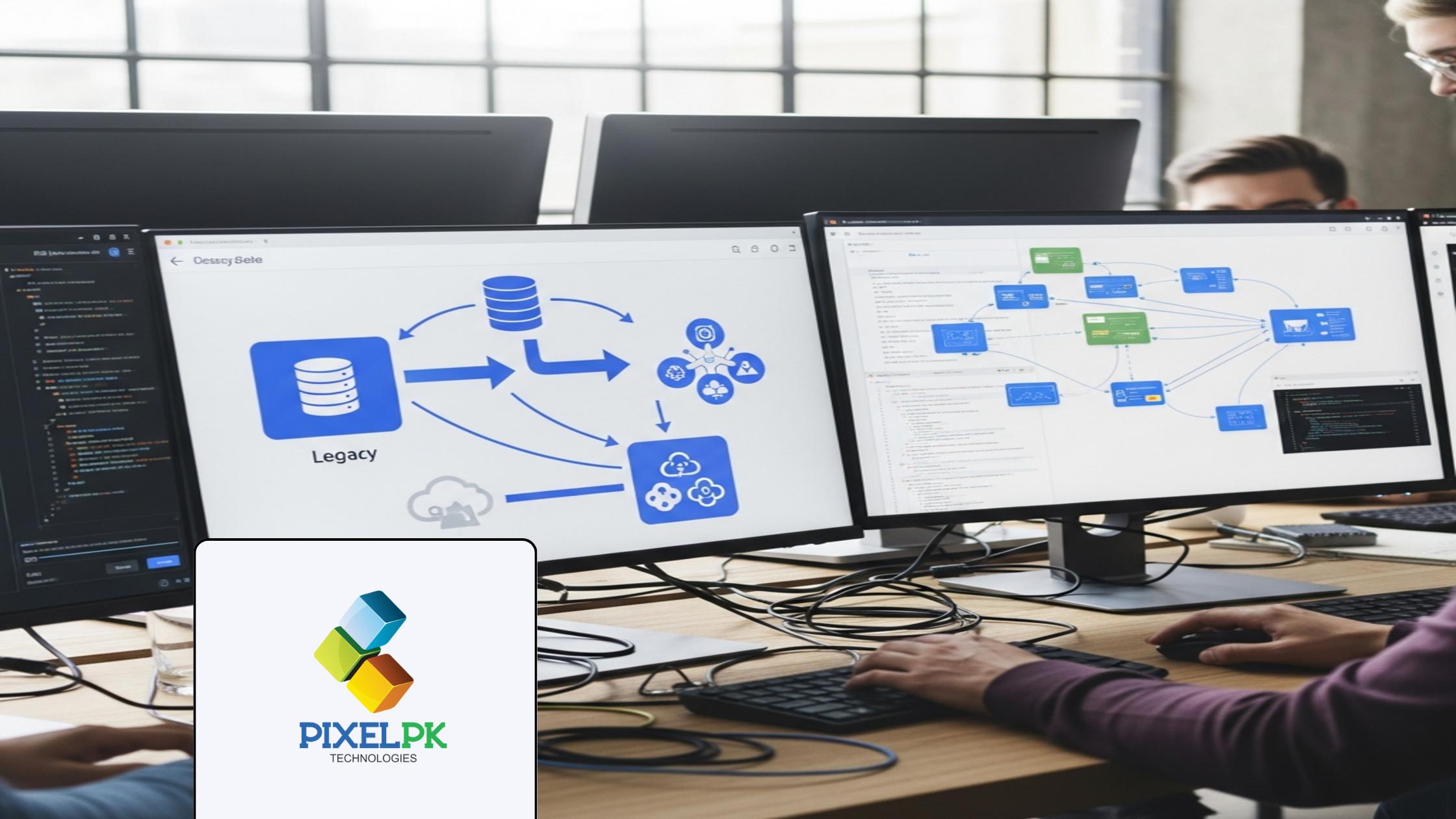




Mastering Production AI MLOps: Your Implementation Roadmap
Understanding Production AI MLOps is essential for modern businesses seeking to scale operations and enhance efficiency. This practice integrates Machine Learning (ML) development with operations (Ops). It ensures your AI models move from experimentation to production reliably and efficiently.
Production AI MLOps enables companies to leverage cutting-edge technology effectively. It provides a structured approach to deploy, monitor, and scale AI solutions. This guide offers a clear roadmap for successful implementation.
What is Production AI MLOps?
MLOps, or Machine Learning Operations, is a set of practices. It combines software development (DevOps) with machine learning. Specifically, Production AI MLOps focuses on managing the entire lifecycle of ML models in a live environment. This includes development, deployment, monitoring, and maintenance.
It aims to automate and streamline the process. Furthermore, it fosters collaboration between data scientists, ML engineers, and operations teams. This collaboration ensures continuous delivery and high-performance AI systems.
Core Components of Production AI MLOps
Effective MLOps relies on several critical components. These elements work together to create a robust and scalable system.
- Data Preparation: Automating data ingestion, cleansing, and feature engineering.
- Model Development & Training: Managing experiment tracking, versioning, and reproducible training workflows.
- Model Versioning & Registry: Storing and organizing trained models with metadata. This ensures traceability.
- CI/CD for Machine Learning: Implementing continuous integration and continuous delivery pipelines for models.
- Model Deployment: Automating the rollout of models to various production environments.
- Monitoring & Alerting: Continuously tracking model performance, data drift, and system health.
- Model Retraining & Governance: Establishing triggers for model updates and ensuring regulatory compliance.
Benefits of Robust Production AI MLOps
Implementing strong Production AI MLOps practices delivers significant advantages. These benefits impact various aspects of business operations and innovation.
Accelerating Time-to-Market
MLOps streamlines the journey from model development to production. Therefore, businesses can deploy new AI features faster. This rapid deployment provides a competitive edge. It also allows for quicker iteration and improvement.
Ensuring Model Performance and Reliability
Continuous monitoring is a cornerstone of MLOps. It helps detect performance degradation or data drift early. Consequently, teams can address issues proactively. This ensures AI models remain accurate and reliable over time.
Achieving Significant ROI with Production AI MLOps
The investment in Production AI MLOps yields substantial returns. It optimizes resource utilization and enhances business outcomes. Here are some key areas of return:
- Reduced Operational Costs: Automation minimizes manual effort and errors.
- Improved Decision Making: Reliable AI models provide better insights for strategic choices.
- Enhanced Scalability: Systems can handle increased data and model complexity effortlessly.
- Faster Iteration Cycles: Rapid experimentation leads to quicker innovations and product enhancements.
Production AI MLOps Implementation Roadmap: A Step-by-Step Guide
Successfully deploying and scaling AI models requires a clear strategy. This step-by-step guide outlines the phases for a robust Production AI MLOps implementation.
Phase 1: Planning and Strategy
The initial phase involves careful planning to define scope and goals. This foundational work ensures alignment with business objectives.
Define Objectives and Use Cases
Clearly outline the business problems AI solutions will address. Furthermore, identify specific use cases for MLOps implementation. This ensures efforts are focused and impactful.
Assess Current Infrastructure and Capabilities
Evaluate your existing data, ML models, and IT infrastructure. Identify any gaps in tools, skills, or processes. This assessment forms the basis for future decisions.
Phase 2: Tooling and Architecture Selection
Choosing the right technologies is vital for a scalable and efficient MLOps system. This phase focuses on selecting appropriate platforms and designing the underlying architecture.
Choose MLOps Platform and Tools
Select platforms that align with your needs and existing tech stack. Options include cloud-native services or open-source solutions.
- Cloud-native platforms: AWS SageMaker, Azure ML, Google Cloud AI Platform.
- Open-source tools: MLflow, Kubeflow, DVC (Data Version Control).
Consider integration capabilities with your current systems. Also, assess the community support and future scalability of each option.
Design Scalable Infrastructure
Architect an infrastructure that supports dynamic AI workloads. Focus on containerization using Docker and orchestration with Kubernetes. This approach ensures flexibility and high availability.
Phase 3: Building and Integrating MLOps Pipelines
This phase involves developing automated pipelines for data, training, and deployment. Automation is crucial for efficiency and reproducibility.
Data Pipeline Development
Create automated pipelines for data ingestion, transformation, and validation. Ensure data quality and consistency. This feeds reliable data into your ML models.
Model Training and Evaluation Pipelines
Automate model training, hyperparameter tuning, and evaluation. Implement robust version control for models and code. This ensures reproducible results.
CI/CD for ML Models
Set up continuous integration and continuous delivery pipelines. These automate testing, packaging, and staging of ML models. This reduces manual errors significantly.
Phase 4: Deploy, Monitor, and Scale Production AI MLOps
The final phase focuses on putting models into action and maintaining their performance. This includes deployment strategies, continuous monitoring, and governance.
Automated Model Deployment
Implement automated mechanisms to deploy models to production environments. Utilize A/B testing or canary deployments for gradual rollouts. This minimizes risks associated with new model versions.
Continuous Monitoring and Alerting
Establish comprehensive monitoring for model performance, data drift, and inference latency. Set up alerts for anomalies or significant performance drops. This ensures quick intervention when needed.
Retraining and Governance Strategies
Define clear triggers for model retraining. For instance, a decrease in accuracy or significant data shifts. Furthermore, establish governance policies for compliance and ethical AI use. This ensures responsible AI deployment.
Frequently Asked Questions
What are the biggest challenges in Production AI MLOps?
Key challenges include data versioning and managing complex dependencies. Also, ensuring reproducibility across environments is difficult. Furthermore, maintaining model performance over time presents a significant hurdle. These issues require robust MLOps solutions.
How long does a typical MLOps implementation take?
The timeline varies greatly depending on project complexity and team size. A basic setup might take a few months. However, a comprehensive enterprise-wide implementation can extend beyond six months. Planning and existing infrastructure play crucial roles.
What skills are essential for an MLOps team?
An MLOps team needs diverse skills. These include data science, software engineering, and DevOps expertise. Knowledge of cloud platforms, containerization, and automation tools is also critical. Collaboration and problem-solving skills are equally important.
Can MLOps be implemented with existing AI models?
Yes, MLOps practices can certainly be applied to existing AI models. It often involves re-architecting deployment pipelines and adding monitoring. This process improves the operational efficiency and reliability of legacy models. It also enhances their scalability.
Conclusion
Mastering Production AI MLOps is no longer optional for businesses leveraging AI. It provides the framework to reliably deploy, monitor, and scale machine learning models. This ensures your AI investments deliver consistent value and drive innovation.
An effective MLOps strategy mitigates risks and accelerates time-to-market. It also guarantees the sustained performance of your AI solutions. This creates a significant competitive advantage in today’s data-driven landscape.
Developing a robust Production AI MLOps strategy requires the right technology partner. Pixelpk Technologies delivers agile, scalable solutions tailored to your unique needs. Visit Pixelpk Technologies to explore our expertise in AI/ML solutions and digital transformation. You can also explore our mobile app development services to see how we build cutting-edge applications.