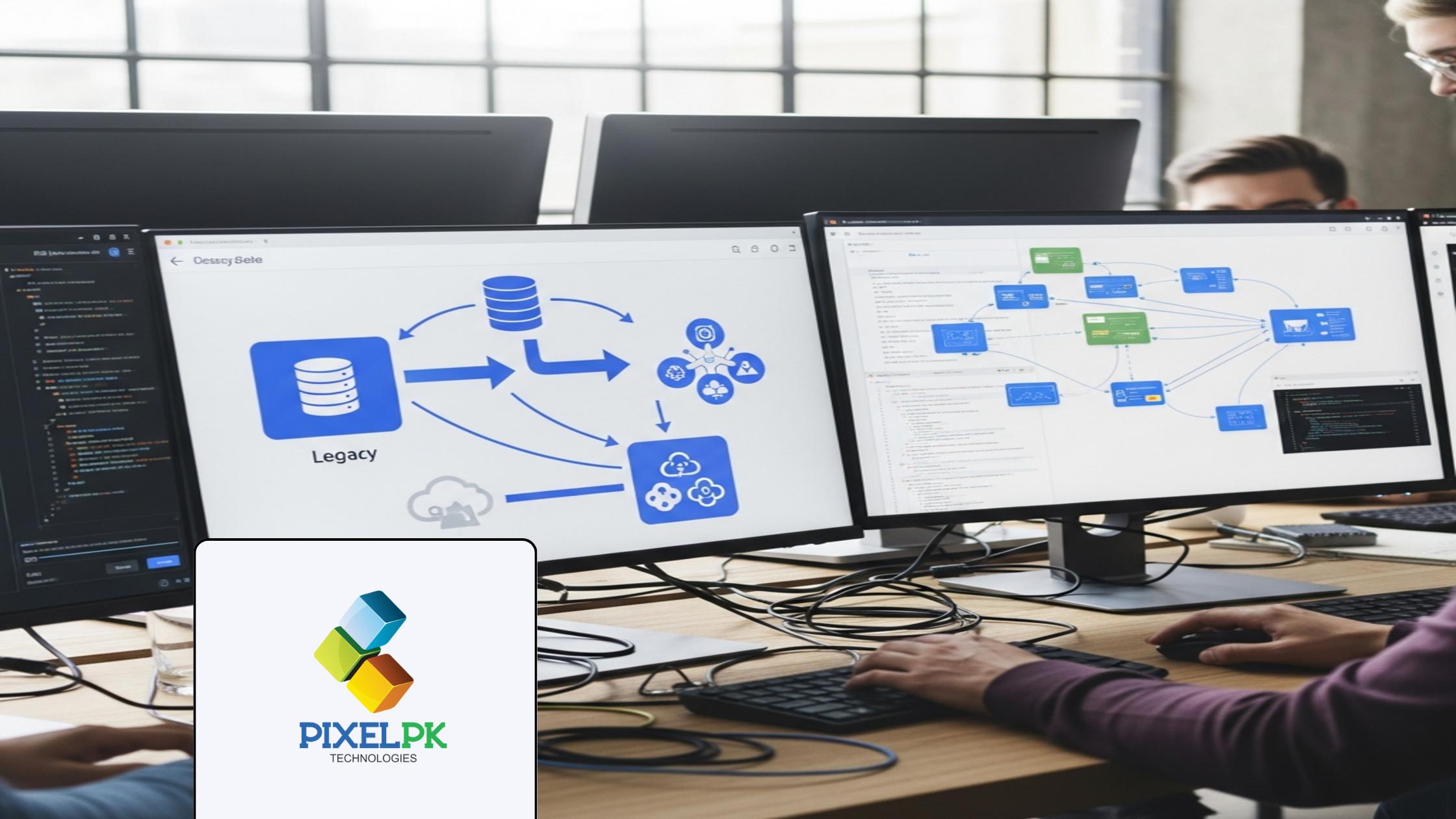




Implementing AI ML Solutions: Your Practical Roadmap
Understanding AI ML solutions is essential for modern businesses looking to scale operations and enhance efficiency. Implementing AI ML solutions enables companies to leverage cutting-edge technology. This guide offers a practical roadmap for successful deployment.
Artificial intelligence (AI) and machine learning (ML) are transformative technologies. They allow systems to learn from data. This capability drives automation and intelligent decision-making across various industries.
Why Implementing AI/ML is Crucial
Adopting AI/ML is no longer optional for competitive advantage. Businesses must embrace these tools. They unlock new levels of productivity and innovation.
- Data-Driven Decisions: AI/ML processes vast datasets. This provides actionable insights.
- Operational Efficiency: Automation of repetitive tasks reduces costs. It also frees human resources.
- Enhanced Customer Experiences: Personalized interactions improve satisfaction. This builds stronger customer loyalty.
- Innovation and Growth: New products and services emerge. This opens new market opportunities.
A Practical Roadmap for AI ML Solutions
Successfully implementing AI ML solutions requires a structured approach. A clear roadmap ensures efficient resource allocation. It also helps manage expectations and mitigate risks effectively.
Phase 1: Discovery and Strategy
The initial phase focuses on understanding business needs. It involves identifying specific problems AI/ML can solve. This foundational step is critical for project success.
- Problem Identification: Define clear business objectives. What challenges need addressing?
- Feasibility Assessment: Evaluate data availability and quality. Assess technical infrastructure readiness.
- Use Case Definition: Prioritize high-impact scenarios. Select specific areas for AI/ML application.
- Stakeholder Alignment: Engage key business and technical leaders. Ensure everyone shares a common vision.
Phase 2: Data Preparation and Model Development
This phase is the technical core of any AI/ML project. It involves gathering, cleaning, and transforming data. Then, suitable models are built and trained.
- Data Collection: Source relevant data from various systems. Ensure data privacy and compliance.
- Data Preprocessing: Clean, normalize, and transform raw data. This prepares it for model training.
- Feature Engineering: Select and create features. These inputs significantly impact model performance.
- Model Selection and Training: Choose appropriate ML algorithms. Train models using prepared datasets.
- Model Evaluation: Test model performance rigorously. Validate against defined metrics.
Phase 3: Deployment and Integration
Once models are developed and validated, they need to be deployed. This involves integrating them into existing business processes. Seamless integration is key to real-world impact.
- Infrastructure Setup: Provision necessary cloud or on-premise resources. This includes computing power and storage.
- Model Deployment: Deploy models as APIs or integrated services. Ensure they are accessible and scalable.
- System Integration: Connect AI/ML components with existing applications. This ensures data flow and operational continuity.
- User Acceptance Testing (UAT): Validate the deployed solution with end-users. Gather feedback for refinement.
Phase 4: Monitoring and Optimization
AI/ML models are not static; they require continuous care. Ongoing monitoring ensures peak performance. Regular optimization keeps them relevant and accurate over time.
- Performance Monitoring: Track model accuracy and drift. Monitor system resource utilization.
- Retraining and Updates: Periodically retrain models with new data. This adapts them to changing patterns.
- Scalability Management: Adjust infrastructure resources as demand changes. Ensure the solution remains responsive.
- Security Audits: Conduct regular security checks. Protect sensitive data and intellectual property.
Key Use Cases for Advanced AI/ML
Advanced AI/ML technologies are transforming industries worldwide. They offer diverse applications. These solutions address specific business challenges and create new opportunities.
Enhancing Customer Experience
AI/ML drives personalized interactions. It helps businesses understand customer needs better. This leads to higher satisfaction and loyalty.
- Personalized Recommendations: Suggest products or content based on user behavior. This boosts engagement and sales.
- Intelligent Chatbots: Provide instant 24/7 support. Resolve common queries efficiently.
- Sentiment Analysis: Understand customer emotions from feedback. Improve service delivery proactively.
Streamlining Operations
Operations become more efficient with AI/ML. Automation reduces manual effort. It also optimizes complex processes.
- Predictive Maintenance: Anticipate equipment failures. Schedule maintenance before breakdowns occur.
- Supply Chain Optimization: Forecast demand accurately. Manage inventory and logistics more effectively.
- Fraud Detection: Identify suspicious transactions in real-time. This protects financial assets.
Driving Business Intelligence
AI/ML transforms raw data into valuable insights. This empowers better strategic decision-making. It reveals hidden patterns and trends.
- Market Trend Prediction: Forecast future market movements. Inform product development strategies.
- Risk Assessment: Evaluate potential risks in various scenarios. Make informed business decisions.
- Automated Reporting: Generate dynamic reports. Provide real-time access to key performance indicators.
Cloud Architecture for AI/ML Deployment
Cloud platforms are fundamental for deploying scalable AI/ML solutions. They offer robust infrastructure and specialized services. This accelerates development and deployment cycles.
Scalability and Performance
Cloud environments provide immense flexibility. They scale resources up or down as needed. This ensures optimal performance without over-provisioning.
- Elastic Compute: Dynamically adjust processing power. Handle varying workloads efficiently.
- Managed Services: Utilize pre-built AI/ML services. These include data lakes and model training platforms.
- Global Reach: Deploy solutions closer to users. This minimizes latency and improves user experience.
Security and Compliance
Leading cloud providers offer advanced security features. They also help meet strict regulatory compliance. This protects sensitive data throughout the AI/ML lifecycle.
- Data Encryption: Secure data at rest and in transit. Protect against unauthorized access.
- Access Controls: Implement granular permissions. Ensure only authorized personnel interact with models and data.
- Compliance Certifications: Adhere to industry standards. This includes GDPR, HIPAA, and ISO 27001.
For robust and secure cloud integrations, consider partnering with experts. Pixelpk Technologies offers deep expertise in this domain.
Measuring ROI for AI/ML Initiatives: 6–12 Months
Achieving a clear return on investment (ROI) is crucial. Businesses expect measurable benefits from their AI/ML investments. A 6–12 month timeframe is often realistic for initial returns.
Tangible Benefits of AI ML Solutions
Specific metrics help quantify the success of AI ML solutions. These benefits directly impact the bottom line. Tracking them provides clear evidence of value.
- Cost Reduction: Savings from automation and optimized processes.
- Revenue Growth: Increased sales through personalization or new products.
- Efficiency Gains: Reduced operational time and resource consumption.
- Risk Mitigation: Fewer fraudulent transactions or system failures.
Strategic Advantages
Beyond direct financial returns, AI/ML offers strategic value. These advantages position a company for long-term success. They foster innovation and market leadership.
- Competitive Edge: Differentiate from rivals through superior insights.
- Enhanced Decision-Making: Make faster, more informed choices.
- Improved Agility: Adapt quickly to market changes and customer demands.
- Brand Reputation: Position as an innovative, forward-thinking leader.
Frequently Asked Questions
Businesses often have questions about adopting AI/ML. Here are answers to some common inquiries. These address practical aspects of implementation.
What is the typical timeline for implementing AI ML solutions?
The timeline for AI ML solutions varies greatly. It depends on project complexity and data readiness. Simple projects might take 3-6 months. More complex enterprise-wide solutions can extend beyond a year.
How do AI/ML solutions integrate with existing systems?
Integration often happens via APIs (Application Programming Interfaces). These allow new AI/ML components to communicate with existing databases and applications. A well-planned architecture ensures seamless data exchange and operational flow.
What kind of data is needed for AI/ML solutions?
AI/ML requires large volumes of high-quality, relevant data. This data can include structured data (databases), unstructured data (text, images, audio), and real-time streams. Data must be clean, consistent, and representative.
What are the security considerations for AI/ML solutions?
Security is paramount for AI/ML. Key considerations include data encryption, strict access controls, and compliance with regulations like GDPR. Protecting model integrity and preventing data breaches are critical. Learn more about AI security from IBM.
Conclusion
Implementing robust AI ML solutions is a strategic imperative. It offers unparalleled opportunities for efficiency and innovation. By following a structured roadmap, businesses can successfully navigate this transformative journey.
Pixelpk Technologies specializes in developing cutting-edge AI/ML solutions. We help businesses harness the power of artificial intelligence. Our expertise spans from initial strategy to deployment and ongoing support.
Ready to unlock the potential of AI/ML for your business? Explore our mobile app development services, which often integrate AI, or contact Pixelpk Technologies today to discuss your project.