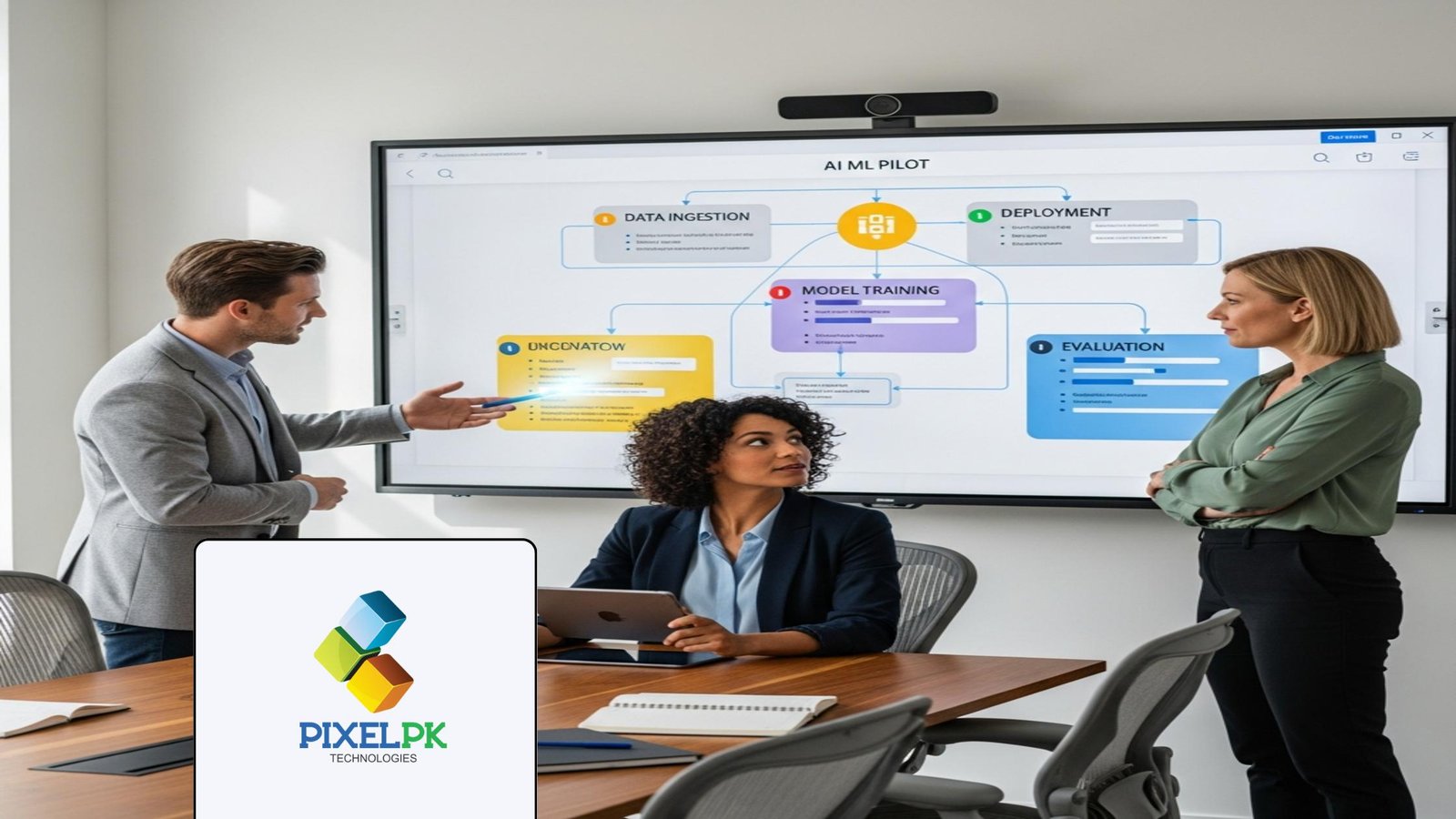




Navigating Cost-Effective AI/ML Adoption for Business Growth
Understanding Cost-Effective AI/ML Adoption is essential for modern businesses looking to scale operations and enhance efficiency. This approach enables companies to leverage cutting-edge technology without prohibitive upfront investment. Furthermore, it ensures sustainable growth through strategic implementation.
Many organizations face challenges in deploying artificial intelligence and machine learning solutions. However, a well-planned strategy can significantly reduce costs. This guide provides a clear pathway for successful and economical AI/ML integration.
The Strategic Imperative of Cost-Effective AI/ML Adoption
AI and ML technologies offer transformative potential across industries. They can automate processes, provide deeper insights, and enhance customer experiences. Yet, the perceived high costs often deter businesses from exploring these innovations.
Cost-Effective AI/ML Adoption focuses on maximizing value while minimizing expenditure. This involves careful planning, selecting appropriate tools, and leveraging existing resources. Consequently, even small to medium-sized enterprises can benefit from AI.
Key Pillars of Economical AI/ML Implementation
- Cloud-Native Solutions: Utilize scalable, pay-as-you-go cloud services like AWS, Azure, or Google Cloud.
- Open-Source Tools: Leverage free and community-supported frameworks such as TensorFlow, PyTorch, and Scikit-learn.
- Modular Architecture: Build solutions with reusable components, reducing development time and effort.
- Focus on ROI: Prioritize use cases that promise clear, measurable business returns.
A Step-by-Step Playbook for Cost-Effective AI/ML Adoption: From Pilot to Production
Implementing AI/ML solutions requires a structured approach. This playbook guides businesses through each critical phase. It ensures efficiency and a strong focus on return on investment.
Phase 1: Strategy & Planning
The initial phase involves defining clear objectives and assessing current capabilities. This foundational work prevents costly missteps later on. Moreover, it aligns AI initiatives with broader business goals.
Defining Business Goals and Use Cases
First, identify specific business problems that AI/ML can solve. Focus on areas promising high impact and clear metrics. For example, consider predictive maintenance or customer churn prediction.
- Improve operational efficiency
- Enhance customer experience
- Drive new revenue streams
Assessing Current Infrastructure and Data Readiness
Next, evaluate your existing IT infrastructure and data landscape. Determine data availability, quality, and accessibility. This assessment helps in selecting appropriate AI platforms and tools.
Phase 2: Pilot & Proof-of-Concept (PoC)
A pilot project or PoC demonstrates the viability of an AI solution on a smaller scale. This phase is crucial for validating assumptions and mitigating risks. It also offers early insights into potential challenges.
Selecting a High-Impact, Low-Risk Use Case
Choose a use case that is relatively simple to implement but offers significant potential value. This minimizes initial investment and speeds up validation. For instance, automate a small, repetitive task.
Data Preparation and Feature Engineering
Prepare your data for the chosen use case. This often involves cleaning, transforming, and augmenting datasets. Effective feature engineering can greatly enhance model performance.
Phase 3: Development & Integration
This phase focuses on building and integrating the AI/ML models into your existing systems. Agility and iterative development are key for success here. Furthermore, continuous feedback loops are important.
Model Training, Validation, and Optimization
Train your selected machine learning models using the prepared data. Validate their performance against defined metrics. Optimize models for accuracy and efficiency while managing computational resources.
Platform Selection and Integration Strategy
Choose the right platform for model deployment and management. Consider cloud services or on-premise solutions based on your infrastructure assessment. Develop a robust integration plan with existing applications.
Phase 4: MLOps & Deployment
MLOps (Machine Learning Operations) streamlines the entire ML lifecycle. It ensures models are deployed efficiently, monitored effectively, and maintained continuously. This is vital for sustaining Cost-Effective AI/ML Adoption.
Automating Workflows and CI/CD for ML
Implement automation for model training, testing, and deployment. Continuous Integration/Continuous Delivery (CI/CD) pipelines ensure rapid and reliable updates. This reduces manual effort and potential errors.
Monitoring, Maintenance, and Retraining Strategies
Monitor deployed models for performance degradation and data drift. Establish clear processes for maintenance and periodic retraining. This keeps models accurate and relevant over time.
Phase 5: Measuring ROI & Scaling
The final phase evaluates the success of your AI/ML initiatives. It also outlines a strategy for expanding successful solutions. Proving ROI is critical for future investments in AI.
Defining Key Performance Indicators (KPIs) and Metrics
Establish clear KPIs to measure the business impact of your AI solutions. Track metrics like cost savings, revenue increase, and process efficiency. This quantifies the value generated.
Iterative Improvement and Scaling Successful Solutions
Use insights from monitoring and ROI measurement to iteratively improve models. Once successful, scale these solutions to other parts of the organization. This expands the benefits of Cost-Effective AI/ML Adoption.
Overcoming Common Challenges in Cost-Effective AI/ML Adoption
Businesses often encounter hurdles during AI/ML implementation. These include data quality issues, skill gaps, and integration complexities. Proactive planning helps mitigate these risks.
- Data Governance: Implement strong data governance policies from the start.
- Talent Development: Invest in upskilling internal teams or partnering with experts.
- Vendor Selection: Choose partners offering flexible, scalable, and transparent solutions.
- Security & Compliance: Ensure all AI solutions adhere to industry regulations and security best practices.
Frequently Asked Questions
What is the typical timeline for a Cost-Effective AI/ML Adoption project?
A typical project can range from 3 to 9 months, depending on complexity. PoC phases usually take 1-3 months. Full deployment and integration follow, requiring 3-6 additional months. Simpler projects can be quicker.
How can we ensure data privacy during AI/ML development?
Implementing robust data anonymization and encryption techniques is crucial. Adhere to regulations like GDPR and CCPA. Furthermore, utilize privacy-preserving AI methods where possible to protect sensitive information.
What are the immediate cost benefits of starting with open-source AI tools?
Open-source tools significantly reduce licensing fees and software costs. They also offer a large community for support and extensive documentation. This makes them ideal for initial experimentation and smaller budgets.
What role does MLOps play in achieving Cost-Effective AI/ML Adoption?
MLOps automates the lifecycle of ML models, from development to deployment and monitoring. This automation reduces manual effort, prevents errors, and ensures models remain efficient. Consequently, it lowers operational costs and improves scalability.
Conclusion
Achieving successful and Cost-Effective AI/ML Adoption is within reach for any forward-thinking organization. By following a structured playbook and focusing on strategic choices, businesses can harness the power of AI without breaking the bank. This transformation can lead to significant competitive advantages and sustained growth.
Developing robust AI/ML solutions requires the right technology partner. Pixelpk Technologies delivers agile, scalable solutions tailored to your unique business needs. We guide you through every step, from concept to production, ensuring a strong return on your AI investment.
Ready to unlock the potential of AI/ML for your business? Pixelpk Technologies is here to help you navigate the journey. Explore our expertise in software development and advanced AI solutions today.